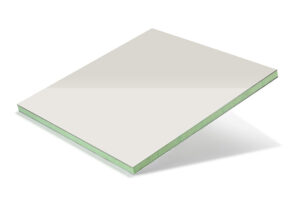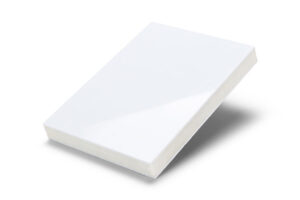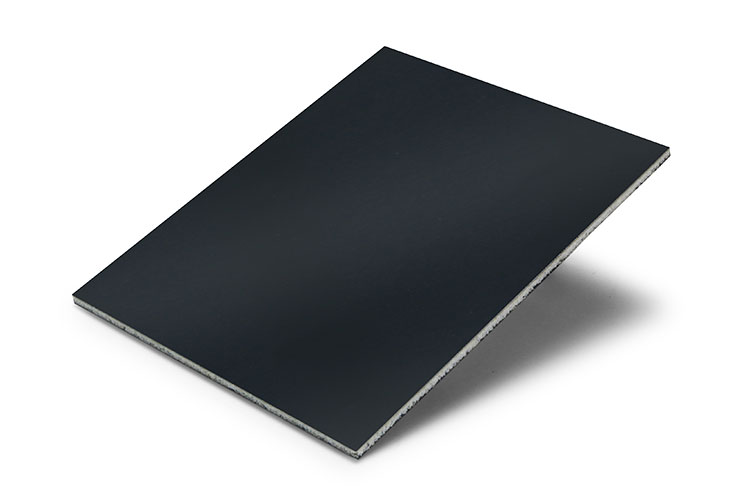
A solar backsheet is a critical component of a solar module. It serves as the outermost layer on the back side of the solar panel, protecting the sensitive solar cells and other internal components from environmental factors such as moisture, UV radiation, and mechanical stress. The backsheet also helps to provide electrical insulation and maintain the structural integrity of the module.
Basic Specifications
• Total Thickness: 3.0mm.
• Upper Layer: 0.2mm Heat Resistant Sheet.
• Core Material: 100kg/m³ PET Foam.
• Bottom Layer: 0.2mm Heat Resistant Sheet.
• Area Weight: 1.8kg/m²
• Maximum Working temperature: 150°C.
Description
What is FR-4?
FR-4, which stands for “Flame Retardant 4,” is a type of glass-reinforced epoxy laminate. It’s a composite material composed of layers of woven fiberglass cloth impregnated with epoxy resin. The layers are bonded together under heat and pressure to create a strong, rigid, and flame-retardant material.
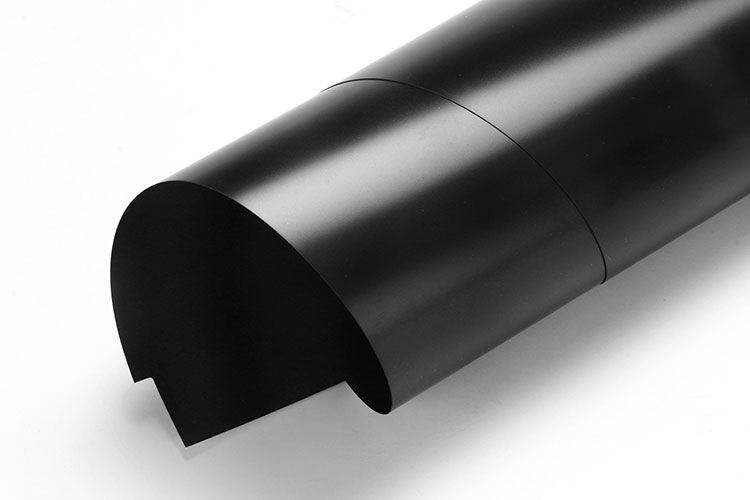
Combining FR-4 and PET Foam
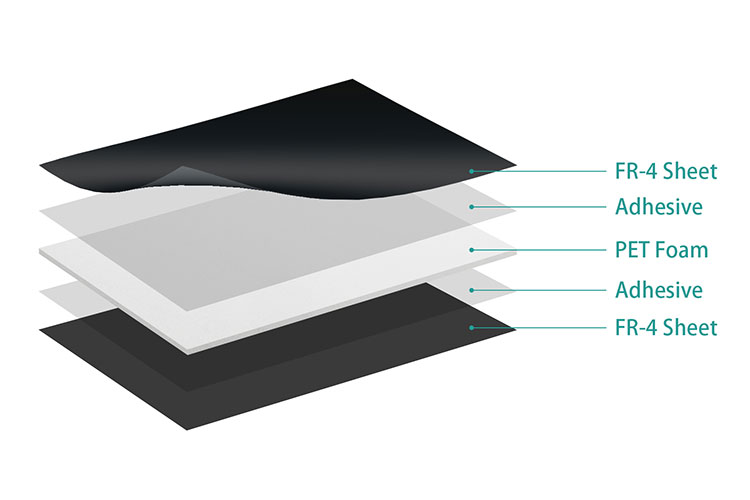
Incorporating both FR-4 and PET foam into a solar backsheet design could offer a combination of structural rigidity, electrical insulation, and enhanced protection. Here’s how it might work:
- FR-4 Outer Layer: The outer layer of the backsheet could be made from FR-4 material. FR-4’s flame-retardant and mechanical properties make it a suitable choice for providing robust protection against environmental factors, mechanical stress, and potential fire hazards.
- PET Foam Core: The core layer of the backsheet could be made from PET foam. The closed-cell structure of PET foam would provide insulation, helping to reduce heat transfer between the solar cells and the external environment. This could contribute to maintaining the efficiency and longevity of the solar panel.
- Adhesive Bonding: To create the composite structure, the layers of FR-4 and PET foam would be bonded together using a suitable adhesive. This would ensure that the layers remain securely attached, and the combined material functions as a cohesive unit.
Potential Benefits
- Enhanced Thermal Insulation: The PET foam core would help in reducing heat transfer from the solar cells to the backsheet, potentially improving the overall performance and efficiency of the solar panel.
- Structural Strength: The FR-4 layer would provide structural rigidity and protection against mechanical stress, ensuring the durability of the solar module, especially in outdoor and demanding environments.
- Electrical Insulation: Both FR-4 and PET foam have good electrical insulation properties, helping to prevent electrical contact between the solar cells and the backsheet, which is important for safety and performance.
- Environmental Protection: The combination of FR-4 and PET foam could provide effective protection against moisture, UV radiation, and other environmental factors that could degrade the solar panel over time.